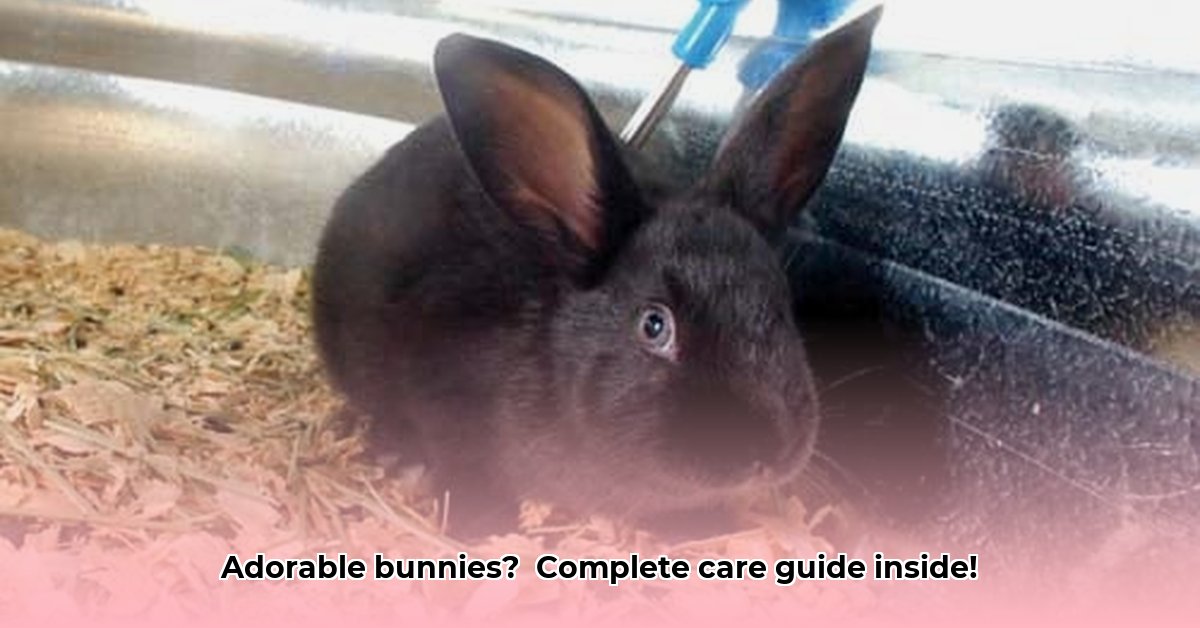
Bringing home a fluffy bunny from Tractor Supply is an exciting experience! This guide provides everything you need to know to ensure your new friend thrives. We'll cover setting up their home, choosing the right food, providing enrichment, and recognizing signs of illness. Let's create a bunny paradise! For even more fun, check out this cool tractor toy!
Setting Up a Safe and Happy Home
Your bunny needs a spacious, safe haven. Tractor Supply offers various hutches, but remember, size is crucial! A Flemish Giant needs far more space than a dwarf lop. Consider the hutch their bedroom; they'll need additional space to play and explore.
Hutch Size: Choose a hutch providing ample room for your bunny to hop, stretch, and turn around comfortably. A good rule of thumb is to allow at least 3-4 hops of length for a bunny to fully stretch out and explore the space. The height should allow them to stand on their hind legs with their ears not touching the ceiling.
Ventilation: Proper ventilation is vital to prevent ammonia buildup from waste. Poor ventilation can cause respiratory problems.
Location: Place the hutch in a quiet, draft-free area, away from direct sunlight and other pets. Consistent temperatures are crucial for rabbit health. Indoor setups generally offer the best temperature control.
Additional Space: A hutch alone is insufficient. Your bunny needs additional space to run and play! This could be a large, secure pen or play area. A bored bunny is an unhappy bunny.
Fueling Your Floppy-Eared Friend: The Bunny Diet
Nutrition is key to a happy, healthy bunny! Tractor Supply offers a variety of foods, but your focus should primarily be on:
Hay: Unlimited access to high-quality Timothy hay is essential for adult rabbits. It provides crucial fiber for digestion. Think of it as the bunny equivalent of our daily vegetables!
Pellets: Supplement the hay with a small amount of high-fiber, low-calcium rabbit pellets. Follow the feeding guidelines on the package, adjusting based on your bunny's weight and age.
Fresh Vegetables: Offer a small handful of fresh, leafy greens daily. Introduce new vegetables gradually to avoid digestive upset. Treat any potential change in diet as if it's your own! You need to manage your intake in order to prevent any dietary issues.
Treats: Treats should be minimal – a small amount once or twice a week, maximum. Avoid sugary or processed treats; they can disrupt their digestive system.
Have you considered the important role of fiber in rabbit diets? Dr. Emily Carter, DVM, from the Small Animal Veterinary Hospital at Ohio State University, emphasizes the importance of fiber-rich hay for preventing digestive issues.
Here’s a balanced dietary example:
| Food Type | Quantity Guidelines | Notes |
|---|---|---|
| Timothy Hay | Unlimited | The cornerstone of your bunny's diet. |
| Pellets | ¼ cup per 6 pounds of rabbit daily | High-fiber, low-calcium. Check ingredient lists carefully. |
| Fresh Vegetables | A small handful daily (variety is key!) | Introduce new veggies gradually. |
| Treats | Very occasional (once or twice a week maximum) | Use as rewards or for special bonding moments. Avoid sugary treats. |
Enriching Their World: Beyond Basic Needs
Rabbits are intelligent and active creatures. Providing enrichment prevents boredom and promotes mental and physical well-being. Tractor Supply offers various toys, but remember, creativity is key!
Chew Toys: Essential for keeping teeth healthy. Look for durable toys made of safe materials.
Puzzle Feeders: Challenge your bunny mentally and make mealtimes more interactive.
Tunnels and Hiding Places: These provide security and encourage exploration.
Digging Boxes: Cater to their natural burrowing instincts.
Exploration Time: Always remember to supervise bunnies when they are playing outside of their main habitats.
What can you do to make your bunny's world more engaging? Remember, enrichment prevents boredom, leading to happier, healthier bunnies and less destructive behavior!
Grooming and Health: Keeping Your Bunny Pristine and Happy
Regular grooming is essential, not only for cleanliness but for early detection of potential health issues.
Brushing: Brush your bunny regularly to prevent matting and remove loose fur.
Nail Trimming: Trim your bunny's nails as needed (consult a veterinarian if you're unsure).
Veterinary Care: Regular check-ups are vital for preventative care. Early detection of health problems significantly improves treatment outcomes. What are the signs of a healthy bunny? A healthy bunny will be active, have a healthy appetite, and will exhibit normal behavior patterns.
Understanding Your Bunny's Language: Recognizing Signs of Illness
Learn to understand your bunny's body language. Subtle changes in behavior can signal illness.
- Lethargy: Unusual inactivity or sleepiness.
- Appetite Changes: Loss of appetite or changes in eating habits.
- Changes in Droppings: Abnormal stool consistency or frequency.
- Unusual Behavior: Changes in activity levels, aggression, or grooming behaviors.
Any of these signs warrants an immediate visit to the vet. Early intervention improves the chances of a swift and full recovery!
Choosing the Right Hutch: Size and Features
The size of your rabbit's hutch is paramount. A cramped space can result in stress, health issues, and behavioral problems. Remember, the space should let your rabbit stretch out, and even hop around.
Follow these steps for choosing the perfect hutch:
- Research: Determine your rabbit's breed and size requirements.
- Measure: Assess the available space in your home.
- Compare: Research various hutch sizes and styles.
- Choose: Select a hutch meeting your bunny's needs and budget.
- Enrich: Provide a spacious run and ample toys.
Remember, responsible bunny ownership involves research, commitment, and care. Combine the resources from Tractor Supply with regular veterinary care to create a happy and healthy home. Enjoy your new furry friend!